
External wall investigation for a historic building
We were brought in to carry out an intrusive investigation as part of an External Wall System (EWS) assessment at a historic residential building in the North West of England.
As a heritage structure, the building presented a familiar but complex challenge: limited information was available regarding the existing wall construction, and all investigative works needed to be undertaken with care to avoid unnecessary damage to the original building fabric.
The objective was to establish the wall build-up and provide accurate construction information to support the Fire Engineer’s assessment, while ensuring the investigation remained controlled, precise and minimally invasive.
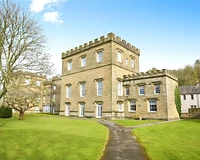
Working Within a Historic Structure
Due to the age and significance of the building, intrusive investigations were carefully planned and undertaken in accordance with the Fire Engineer’s requirements.
Rather than exposing large areas of construction, we carried out targeted internal core drilling at strategically selected locations throughout the building.
Each investigation point was chosen to provide representative information regarding the wall construction while minimising disruption to residents and preserving the integrity of the structure. Our approach enabled the required data to be gathered without adversely affecting the building’s appearance or historic character.
Investigations were undertaken across multiple floors and elevations, including communal areas and internal perimeter wall locations.
Our Findings
The intrusive investigation successfully identified the existing wall composition throughout the surveyed areas.
Across the majority of locations, the internal wall build-up consisted of:
- 12.5mm plasterboard lining
- 15mm insulation board
- Cavity ranging from approximately 60mm to 90mm
- Solid stone external wall construction
Whilst the construction itself appeared relatively straightforward, verification was essential. In older buildings, relying on assumptions about wall build-ups can lead to inaccurate fire risk assessments. Physical inspection remains the most reliable method of establishing existing construction and supporting informed fire engineering decisions.
This project demonstrates the level of care, technical expertise and planning required when undertaking intrusive investigations within historic buildings.
We specialise in supporting EWS assessments through carefully managed intrusive investigations that provide reliable construction data while minimising disruption and damage.
Whether working within modern developments, residential blocks or heritage properties, our objective remains the same
- Obtain accurate construction information
- Minimise disruption to occupants
- Protect the integrity of the building
- Support informed fire safety and compliance decisions
Want to discuss a fire protection project?
Speak to our expert team.
Related pages
Life After a Failed EWS1: Common Remedial Works and What They Actually Involve
A failed EWS1 assessment can feel like a major setback for building owners, managing agents, and residents alike. Suddenly, concerns around safety, compliance, funding, and timelines all come sharply into focus.